
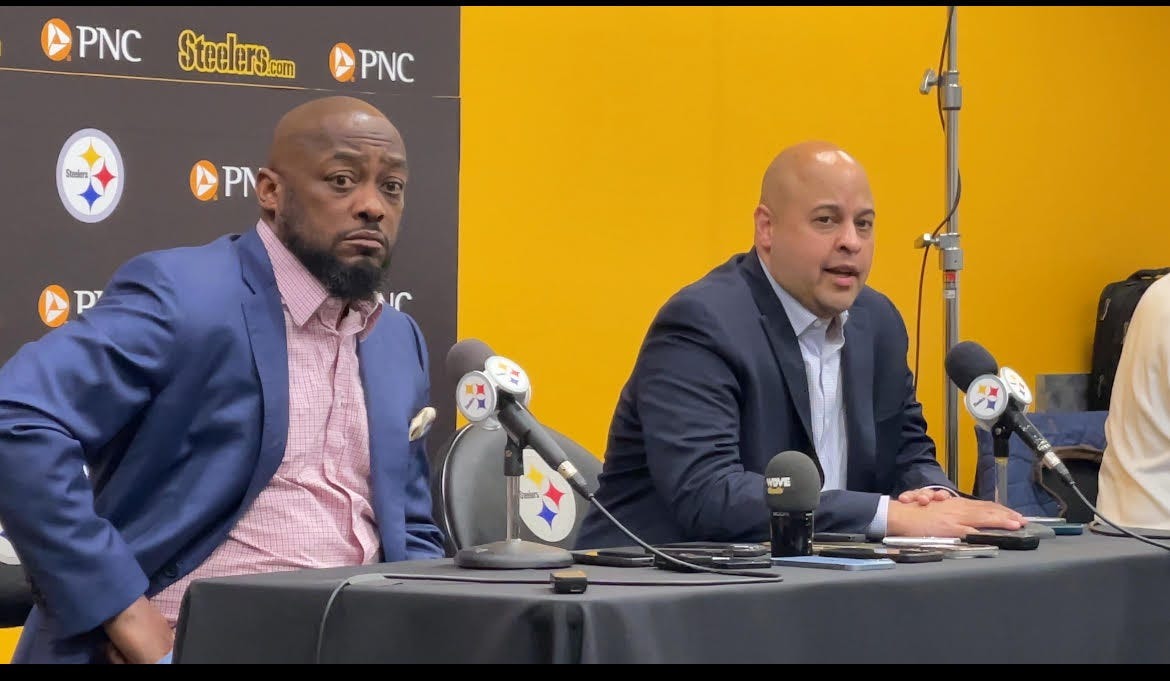
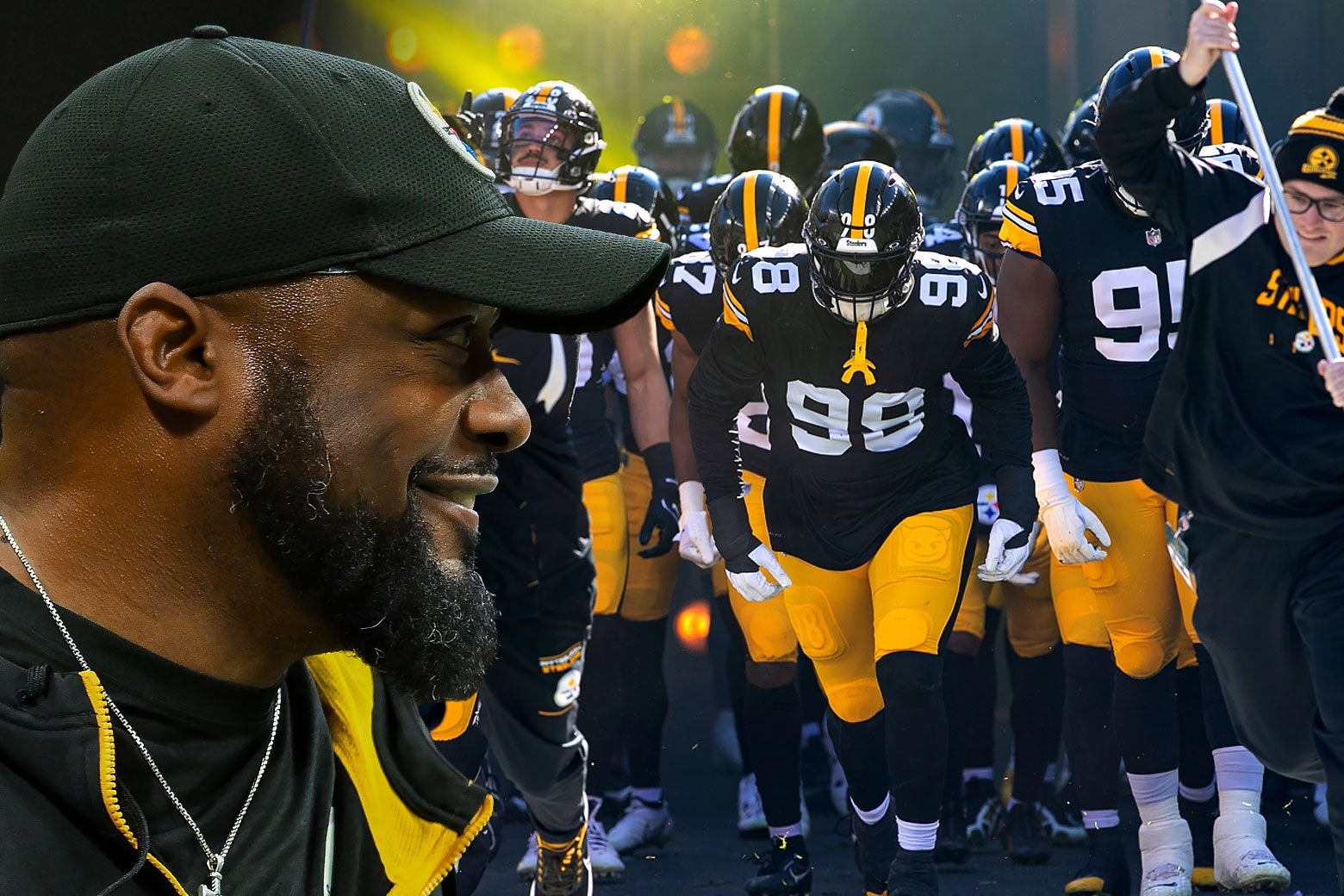
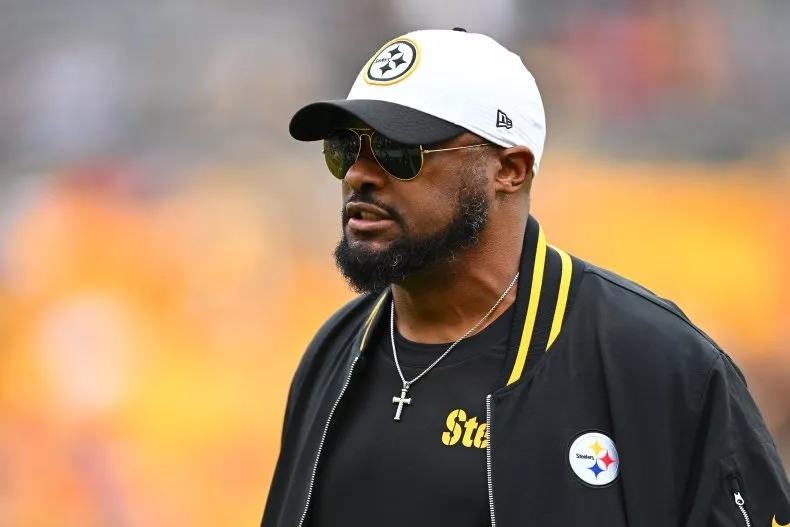
With the NFL Draft just days away, a comprehensive seven-round projection that addresses the team’s immediate needs and long-term goals. This mock reflects a balanced strategy under GM Omar Khan and head coach Mike Tomlin, who are both focused on reshaping the roster with high-upside talent and proven collegiate performers. Bryan emphasizes versatility, physicality, and positional value across all picks, crafting a class that aims to reinforce the foundation of the team on both sides of the ball.
More than just plugging holes, each selection reflects a philosophical alignment with Pittsburgh’s identity: rugged, disciplined, and developmental. Bryan’s draft is not just about who fits now, but who can grow into impactful contributors in the seasons ahead.
Round 1 (Pick 20): Graham Barton, OL, Duke Barton headlines the draft class as a top-tier offensive line prospect who brings rare flexibility. Having played center early in his career before moving to left tackle, Barton shows excellent footwork, hand placement, and intelligence. Scouts rave about his ability to process blitzes and execute in both gap and zone-blocking schemes. With the Steelers having struggled with consistency at left guard and center, Barton could be inserted immediately and become a leader in the trenches. Tomlin values “position flexibility,” and Barton fits that mold perfectly.
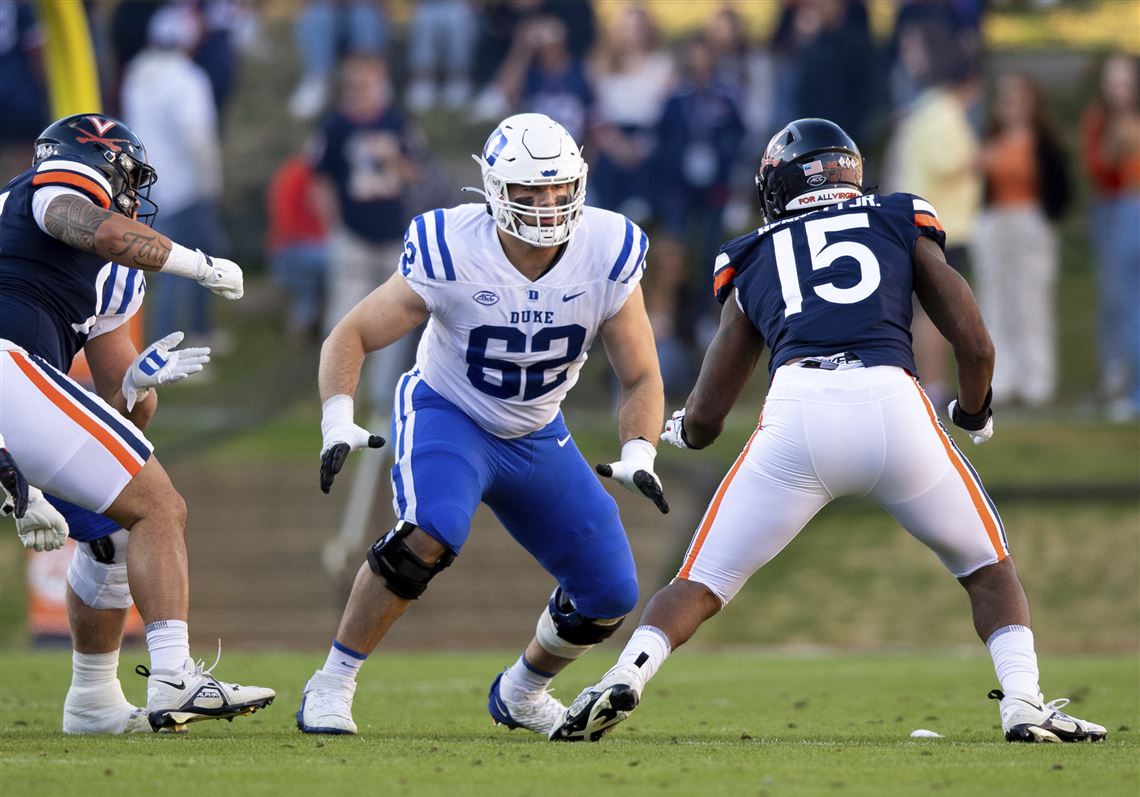
What truly separates Barton from other linemen in this class is his temperament. He plays with a nasty streak but remains composed in high-pressure situations. His tape against top ACC pass rushers showcased an ability to neutralize speed and power with ease. For a franchise that once boasted one of the NFL’s best O-lines, this is a foundational step in reclaiming that identity. Barton’s leadership, intelligence, and physical tools make him a safe but high-reward pick.
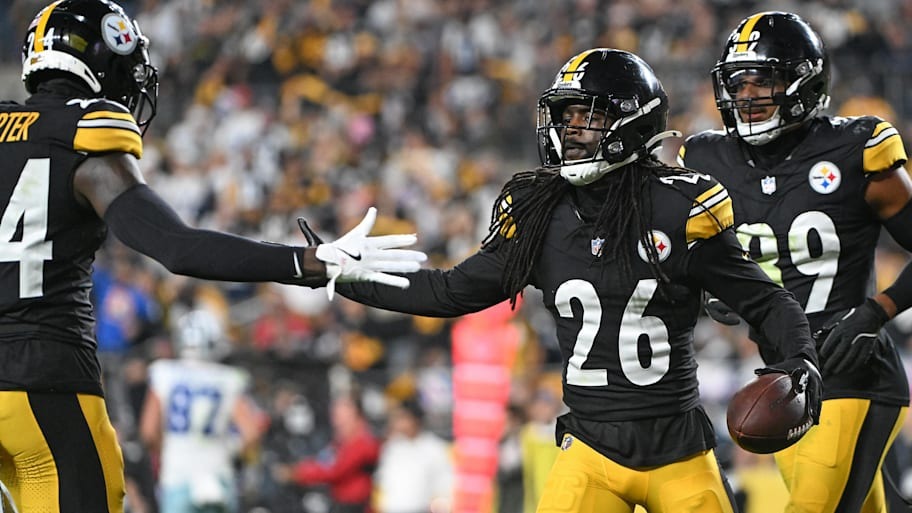
Round 2 (Pick 51): Max Melton, CB, Rutgers Cornerback is a pressing need for the Steelers, and Melton offers a gritty, fast, and technically sound option. His experience playing in both man and zone schemes makes him a great scheme fit. Melton’s ability to play inside or outside provides defensive coordinator Teryl Austin with options in sub-packages. Known for his physicality and ball skills, Melton had multiple interceptions and pass breakups during his college career. He also brings special teams experience, making him valuable from Day 1. With Joey Porter Jr. emerging as a star, Melton could slot in as CB2 or nickel, depending on matchups.
Melton also brings football lineage—his brother plays in the NFL, and he comes from a family with a strong athletic pedigree. That background, combined with his tape and combine performance, makes him a player who could outperform his draft slot. His foot speed and change-of-direction ability make him a candidate to shadow smaller, shifty receivers while holding his own against bigger targets.
Round 3 (Pick 84): Jaheim Bell, TE, Florida State Tight end is often undervalued, but in today’s NFL, versatility at this position is a premium. Bell, originally from South Carolina before transferring to FSU, is a hybrid offensive weapon who has lined up at H-back, inline TE, and slot receiver. He’s a mismatch nightmare for linebackers and safeties due to his speed and agility. While his blocking needs refinement, his ability to stretch the field vertically and contribute on play-action concepts could elevate Pittsburgh’s passing attack. Pat Freiermuth remains the top TE, but Bell adds explosive upside in 12-personnel sets.
Bell is a move tight end with big-play ability—he averaged over 13 yards per reception in college and was frequently used in motion to exploit mismatches. His athleticism jumps off the screen, and while he may not be a traditional inline blocker, he adds another layer to offensive coordinator Arthur Smith’s scheme. Expect creative use of Bell in red zone packages and pre-snap motion.
Round 3 (Compensatory – Pick 98): Christian Mahogany, G, Boston College Adding to the offensive line depth, Mahogany is a road-grading interior lineman who plays with a nasty demeanor. He missed the 2022 season due to injury but returned strong and impressed scouts with his physical dominance in the run game. At Boston College, he was often the emotional tone-setter on the line. The Steelers have been searching for stability inside, and Mahogany gives them a player who can rotate early and potentially take over a starting role. His experience in pro-style offenses also reduces the learning curve.
Mahogany brings a throwback demeanor—powerful in the phone booth, relentless at the second level. He pairs well with Barton and the team’s existing interior linemen to provide long-term security. This pick adds value not only in depth but in identity—gritty, physical football is Steelers culture.
Round 4 (Pick 119): Dadrion Taylor-Demerson, S, Texas Tech The Steelers’ secondary needs future depth at safety with veterans like Damontae Kazee and Keanu Neal facing uncertain roles. Taylor-Demerson, nicknamed “Rabbit,” brings elite range, excellent closing speed, and high football IQ. He recorded 10 career interceptions in college and was a leader for the Red Raiders defense. His instincts in zone coverage and ability to read the quarterback could make him a future starter alongside Minkah Fitzpatrick. Initially, he would contribute heavily on special teams and rotate in sub-packages.
What sets Taylor-Demerson apart is his diagnostic ability—he reads plays quickly and is rarely caught out of position. He’s a vocal communicator and leader on the back end, two traits that will endear him to Tomlin’s defensive philosophy. His experience against Big 12 air raid offenses gives him strong reps in pass-heavy settings.
Round 6 (Pick 178): Ryan Flournoy, WR, SE Missouri State Flournoy is a small-school standout who turned heads during Senior Bowl week. He’s a big-bodied receiver with strong hands and a knack for making contested catches. While he lacks elite speed, he wins with physicality, body control, and sharp route running. He’s best utilized in red zone situations or on third downs, giving the Steelers a valuable possession receiver who complements George Pickens’ downfield explosiveness. He’ll need to prove himself on special teams to earn a roster spot but brings intrigue as a depth option.
Flournoy also brings toughness and grit—he’s a willing blocker and plays with a chip on his shoulder. He’ll have to battle for a roster spot, but his mindset and senior showcase performance indicate a player with long-shot starter upside.
Round 7 (Pick 195): Justin Rogers, DT, Auburn Rogers rounds out the draft as a developmental defensive tackle with upside. At 6’3”, 330 pounds, he has the size and anchor ability to play nose tackle in Pittsburgh’s 3-4 base. Though he wasn’t always consistent in college, flashes of dominance suggest that with proper coaching, he could be a rotational piece in the defensive line. The Steelers continue to value stout run defenders to support their edge rushers, and Rogers fits the mold of previous interior picks like Isaiah Buggs and Carlos Davis.
Rogers’ ability to eat double-teams and keep linebackers clean is a trait that doesn’t show on the stat sheet but is invaluable. If he develops pass-rushing technique, he could become a true two-down contributor.
Final Thoughts: Bryan’s final mock draft paints a picture of a front office prioritizing trench play, depth at key spots, and long-term developmental value. There’s a clear emphasis on physical, high-character players with multi-position versatility. While none of the picks may be flashy on the surface, they each fill a distinct role, and together they represent a blueprint for sustainable roster building. If Pittsburgh executes a draft like this in reality, they’ll emerge from 2025 with a more complete and battle-ready team.
This mock also reflects a clear identity shift: investing in culture builders, players who bring toughness and positional intelligence. There’s no quarterback splash, no headline-grabbing wideout early—but what it brings is clarity. A team with a plan. And in the NFL, that’s worth its weight in gold.
