
As the NFL mulls over a rule change that could ban one of the league’s most talked-about plays — the “tush push” — the Philadelphia Eagles remain completely unfazed.
The proposal, originally submitted by the Green Bay Packers, aims to ban all pushing or pulling of the ball carrier in any direction, essentially eliminating the infamous quarterback sneak variation that the Eagles have perfected over the past two seasons.
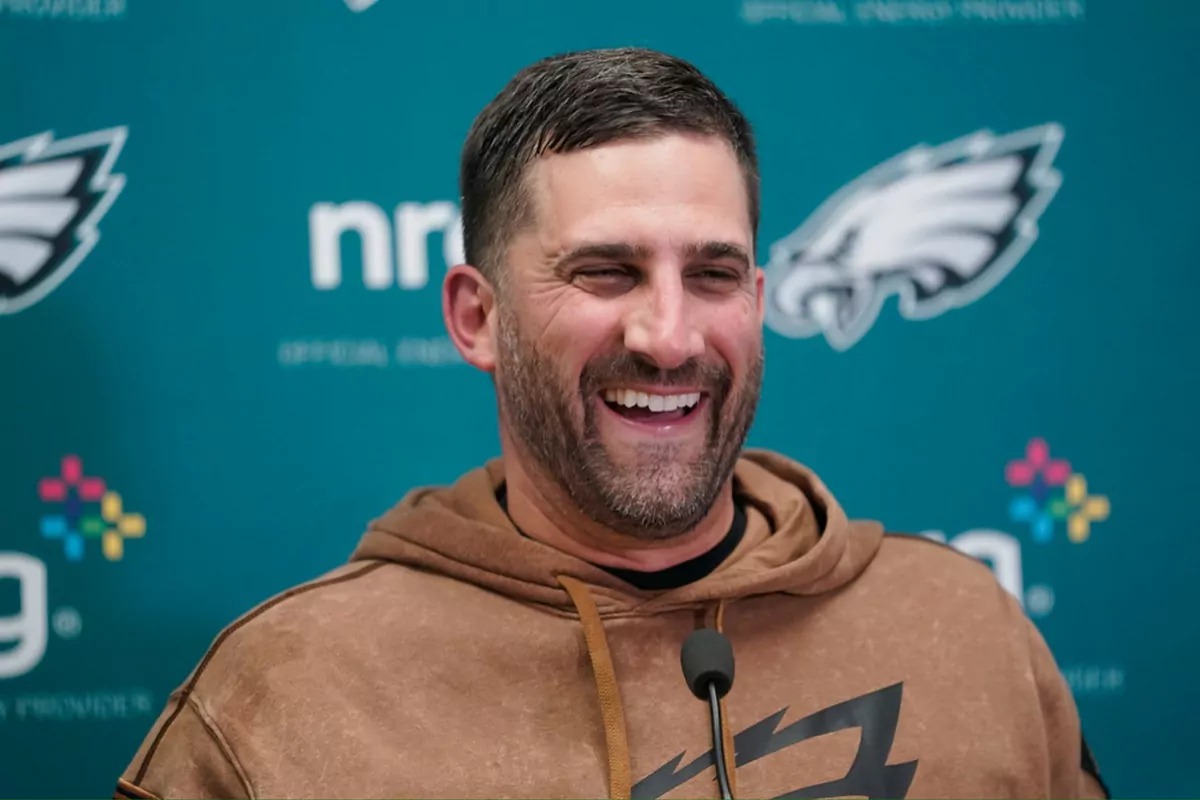
But for head coach Nick Sirianni, it’s business as usual.
“We’re not worried. If the league changes the rule, we’ve already got other ways to win,” Sirianni said Tuesday.
“The Eagles aren’t defined by one play. We’re built to adapt.”

The Eagles’ “tush push” — also known affectionately by fans as the “Brotherly Shove” — has been a near-unstoppable short-yardage weapon, boasting a conversion rate near 90% in 3rd-and-1 and 4th-and-1 situations. With Jalen Hurts’ leg strength, a dominant offensive line, and flawless timing, the play has become a cornerstone of Philadelphia’s identity.
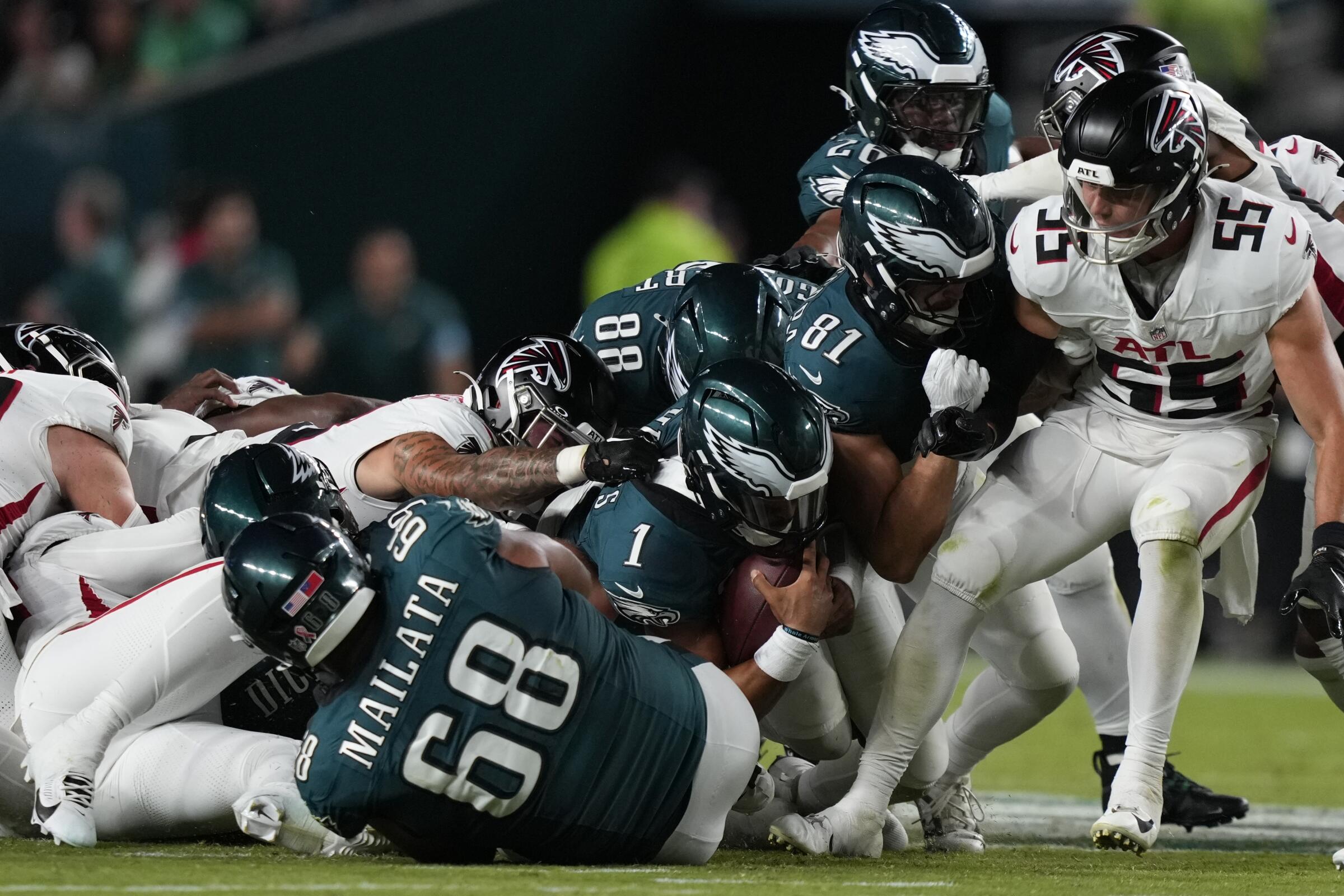
But the NFL’s competition committee is taking the safety concerns seriously. The revised rule proposal would not only ban QB sneaks with assistance but also eliminate all forms of pushing/pulling ball carriers, which could have broader implications across all offensive schemes.
Eagles offensive tackle Jordan Mailata weighed in with a laugh on social media:
“Ban the name? Fine. We’ll call it something else and keep dominating.”
What happens next?
The rule proposal remains under review, and any changes would require a vote of at least 24 out of 32 owners. Initial feedback has reportedly been split, making it unlikely that the rule will pass without further revisions.
Eagles’ message: We’re ready, no matter what
If the play is outlawed, the Eagles are already exploring alternative short-yardage packages involving motion, option looks, and play-action deception. Their message to the rest of the league is clear: “Stop us if you can — legally or otherwise.”
“You can take away the ‘tush push,’ but you can’t take away our edge,” Sirianni said.
“We’ll keep moving the chains — just in a new way.”
