
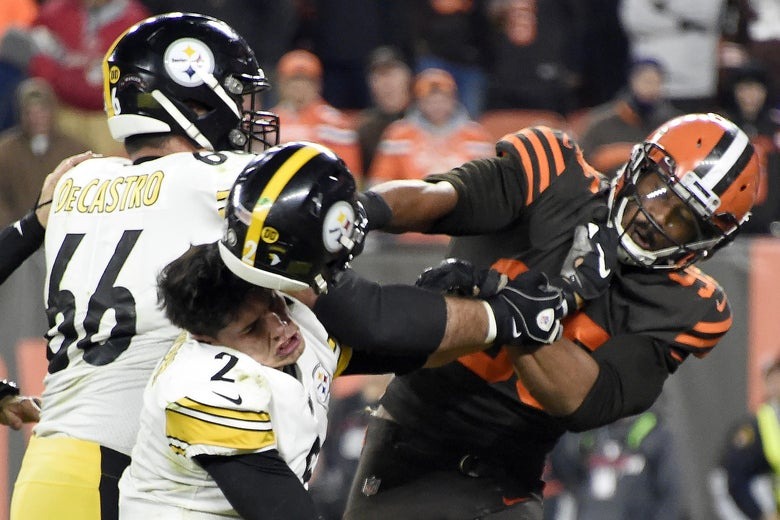
Nearly six years after one of the most shocking incidents in NFL history, Mason Rudolph is finally speaking candidly about the long-term impact of being struck in the head by Myles Garrett’s helmet during a 2019 game between the Steelers and Browns.
While the league moved on and suspensions were served, Rudolph says his body never truly forgot.
“The headaches never left,” Rudolph admitted in a recent interview. “Some nights I just stare at the ceiling. It’s not pain like getting hit again — it’s this dull, lingering pressure that creeps up when I’m trying to sleep.”
On November 14, 2019, Garrett — the star defensive end for the Browns — ripped off Rudolph’s helmet during the final seconds of a heated divisional game, then swung it at Rudolph’s unprotected head. The blow landed, creating a media firestorm and leading to an indefinite suspension for Garrett, the longest in NFL history for an on-field act.
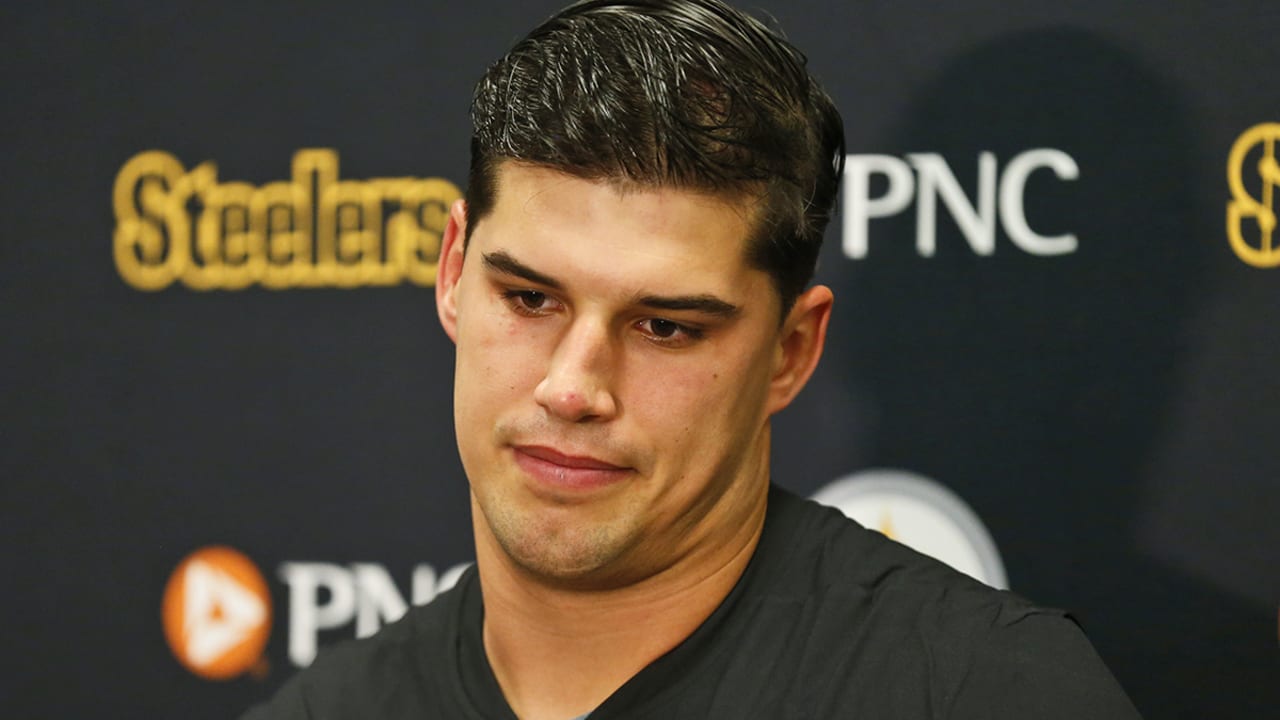
At the time, Rudolph showed no immediate signs of serious injury. He walked off the field and was cleared to play shortly after. But now, years later, the 29-year-old quarterback is revealing the invisible toll the incident took on both his physical and mental health.

“Everyone kept asking if I was okay, and I wanted to be,” he said. “But some things take time to show up. It wasn’t just about my head — it was the fear of what might happen next time.”
Rudolph says he didn’t suffer a diagnosed concussion from the blow — at least not one that showed up on tests. But over the following months, he began experiencing frequent headaches, sensitivity to light, and difficulty sleeping — symptoms often associated with post-concussive syndrome.
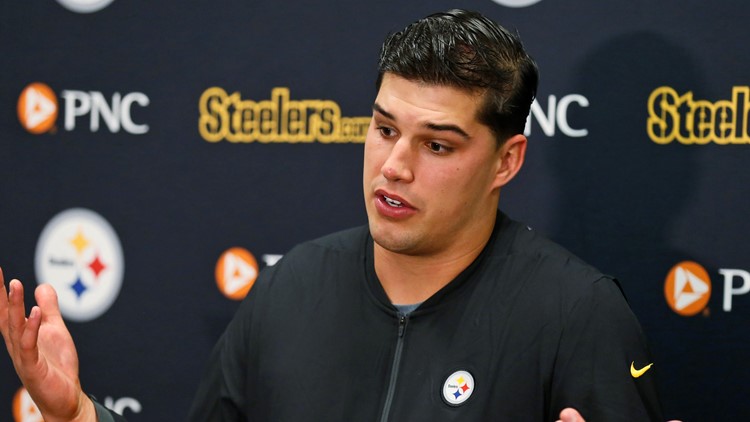
He also admitted that returning to the field was harder than expected.
“There was always that flash of doubt,” he said. “You drop back, and you wonder — is someone going to snap again? Can I trust the game to stay the game?”
Despite the trauma, Rudolph never used the incident as an excuse. He stayed with the Steelers, battled for playing time, and even earned respect for his professionalism and quiet perseverance. But now, with the benefit of time, he believes telling his story can help others understand what it’s like to carry pain that isn’t always visible.
Garrett, for his part, has since returned to form and re-established himself as a defensive force in the NFL. The league has moved on. Fans, too. But for Mason Rudolph, the hit never truly left him.
“People think it was just one moment,” he said. “For me, it was something I had to carry — still do.”
