The Superdome. A fortress. A cauldron of Who Dat Nation fervor. But last Sunday? It felt… different. A chilling premonition perhaps? A red tide rising in the heart of New Orleans.
Red, as in 49ers red. The enemy. The invaders. Thousands strong, they swarmed the hallowed grounds, their cheers a jarring counterpoint to the usual Saints symphony.
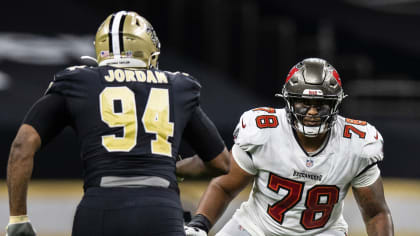
And Cam Jordan? The defensive titan, the heart and soul of the Black and Gold? He wasn’t having it. Not one bit.
His face, a thundercloud of displeasure. His words? Volcanic eruptions of righteous indignation. “This ain’t their house!” he roared, his voice echoing the fury of a thousand Saints fans.
Jordan, a man who eats opposing quarterbacks for breakfast, saw a different kind of enemy this time – an army of red-clad fans, comfortably settled in what he considers sacred territory.
The 49ers faithful, they came, they saw, they conquered… the ticket sales, at least. But conquering the spirit of the Superdome? That’s a whole different ballgame.
This wasn’t just a game; it was a battle for the soul of the city, a clash of cultures, a war waged in the stands as much as on the field.
Jordan’s fury wasn’t just about the game. It was a defense of the city, a protective roar for the fans who bleed black and gold. A stand against the invading horde.
So, next time you’re thinking of conquering enemy territory, remember Cam Jordan’s steely gaze. Remember the fury. Remember the message: the Superdome is, and always will be, Who Dat Nation.
The Saints may have lost the game, but Cam Jordan won the battle for the heart and soul of New Orleans. That, my friends, is a victory in itself.
