
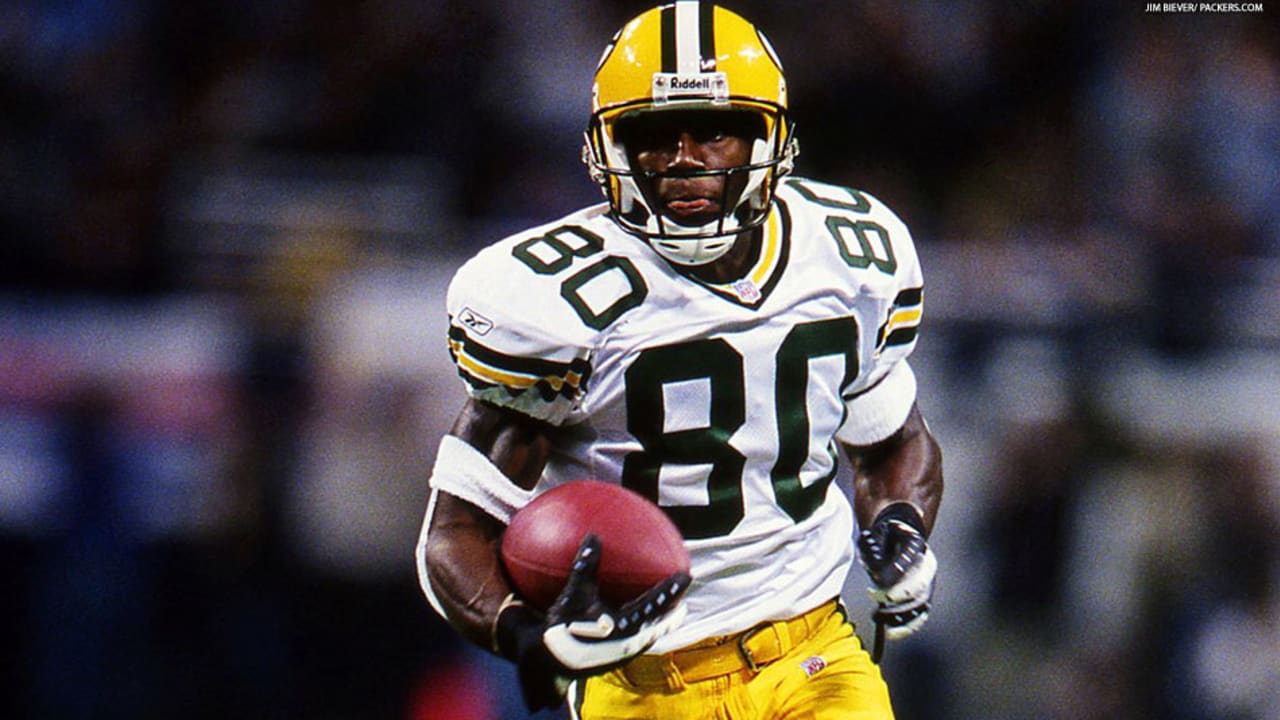
Donald Driver, one of the most beloved figures in Green Bay Packers history, stunned the sports world this week with an unexpected and deeply emotional statement. Known throughout his career for his toughness, perseverance, and relentless spirit at Lambeau Field, Driver has rarely been one to make sensational headlines off the field. But his latest remarks—blunt, raw, and unrestrained—ignited a conversation that quickly spread far beyond the NFL.
Driver called out what he described as a “disturbing new phenomenon” on social media: the unsettling joy and glee expressed in the aftermath of tragedies. His words, delivered with equal parts anguish and urgency, immediately caught fire online, drawing waves of support from fans, fellow athletes, and the broader public.
A Statement That Broke Through the Noise
Driver’s words cut straight to the heart of an uncomfortable truth. “What I see online now shakes me to my core,” he said. “People laugh when others are hurting. They turn pain into punchlines. They celebrate suffering like it’s entertainment. That is not who we are—or at least, that’s not who we should be.”
The statement was delivered without polish or pretense. For a man who spent his career battling defenders with grit and determination, it was a rare and vulnerable glimpse into how deeply concerned he feels about the direction of modern culture.
Half Warning, Half Lament
Driver’s remarks weren’t merely an expression of anger; they were also tinged with sadness. “We’ve lost something along the way,” he continued. “Compassion, kindness, empathy—those used to be the foundations of community. Now, I see cruelty dressed up as humor. And if we allow this to continue, it will destroy us.”
This mix of lamentation and warning made his comments resonate even more. It wasn’t the polished statement of a media-trained athlete—it was the heartfelt cry of someone who had seen enough.
Reactions From Packers Nation and Beyond
Within minutes, Driver’s remarks were trending across Twitter, Instagram, and Facebook. Packers Nation, still fiercely loyal to their legendary wide receiver, rallied behind him. Fans flooded timelines with messages of support, praising him for having the courage to call out a cultural shift that many feel but few are willing to name.
“Donald Driver has always been about heart,” one fan wrote. “Today he showed that again—this time off the field.”
Another commented: “This isn’t just about football. This is about humanity. Driver is right. We’ve become too comfortable laughing at pain.”
Media Amplification
Sports networks quickly amplified the story, but mainstream outlets soon joined in. Analysts debated whether Driver’s remarks reflected generational concerns or a broader truth about the toxicity of digital culture. Some argued that social media simply magnifies behaviors that have always existed, while others insisted that platforms actively reward cruelty through algorithms designed to maximize engagement.
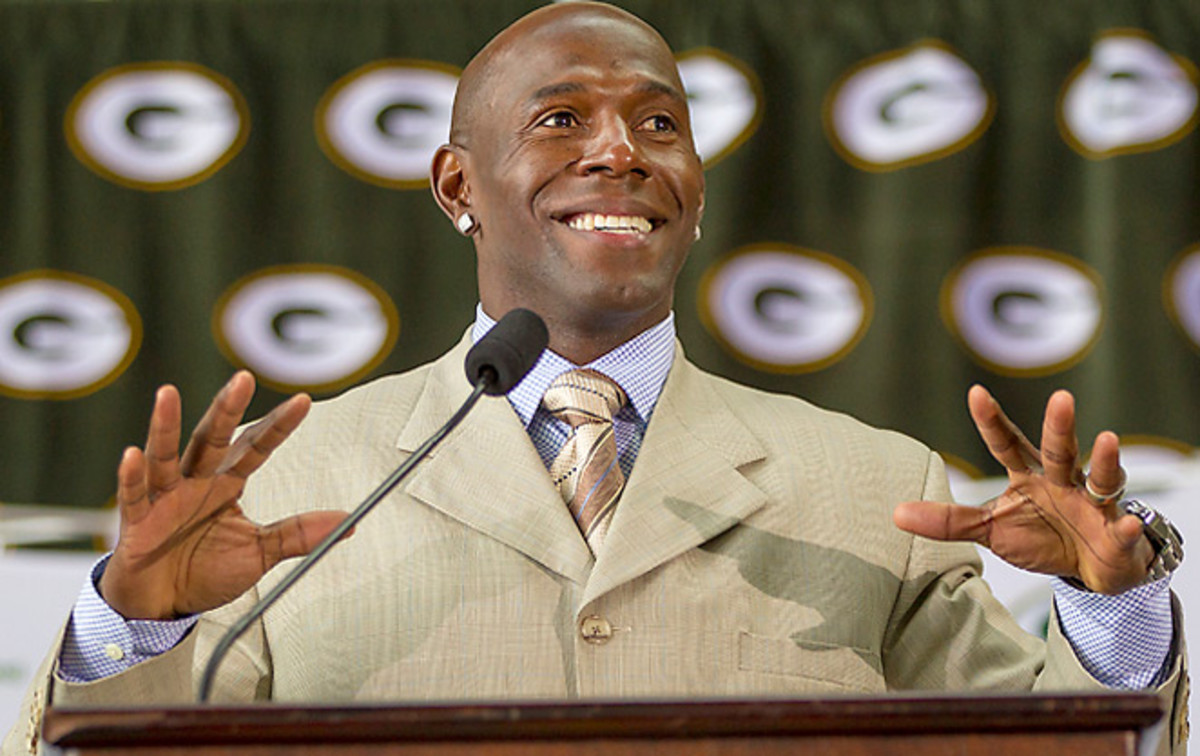
Either way, Driver’s name was suddenly at the center of a conversation far larger than football.
The Dark Truth of the Digital Age
At the core of Driver’s critique lies an undeniable observation: tragedy has become fodder for entertainment. Whether it’s public figures stumbling, communities facing disasters, or individuals suffering personal losses, the internet often responds not with compassion but with jokes, memes, and mockery.
“On the field, I respected every opponent—even the ones who tried to knock me down,” Driver reflected. “That respect was part of the game. But what I see now? It’s people dancing on the pain of others. That’s not strength—it’s emptiness.”
Why Donald Driver’s Voice Matters
Driver’s words carry a unique weight because of who he is. A seventh-round draft pick who defied the odds, he carved out a 14-year NFL career through sheer willpower and resilience. He never relied on headlines or drama to make his mark. Instead, he earned respect by grinding every day, leading with humility, and inspiring teammates and fans alike.
hat reputation for authenticity made his comments impossible to dismiss. When Donald Driver speaks about compassion, people listen.
A Ripple Effect Beyond Football
Interestingly, Driver’s remarks didn’t just resonate within the NFL community. International outlets picked up his words, framing them as part of a global reckoning with online culture. In Europe, Asia, and Latin America, commentators noted that the phenomenon he described—glee at the expense of suffering—is not confined to American society but is widespread across the digital landscape.
In Spain, one columnist wrote: “Donald Driver has reminded us that sport is about humanity, and that humanity must extend beyond the stadium. His voice reflects a truth we all recognize but often ignore.”
The Path Forward
Will Driver’s warning spark real change? That remains uncertain. Social media platforms are unlikely to transform overnight, and the culture of instant reactions often rewards shock and cruelty. But awareness is a first step, and Driver’s words may inspire athletes, influencers, and everyday users to reflect on their own online behavior.
Already, advocacy groups focused on digital wellness have reached out, hoping to partner with him on campaigns promoting kindness and empathy online. While Driver has not announced any specific plans, his credibility and authenticity make him a natural spokesperson for such efforts.
Conclusion
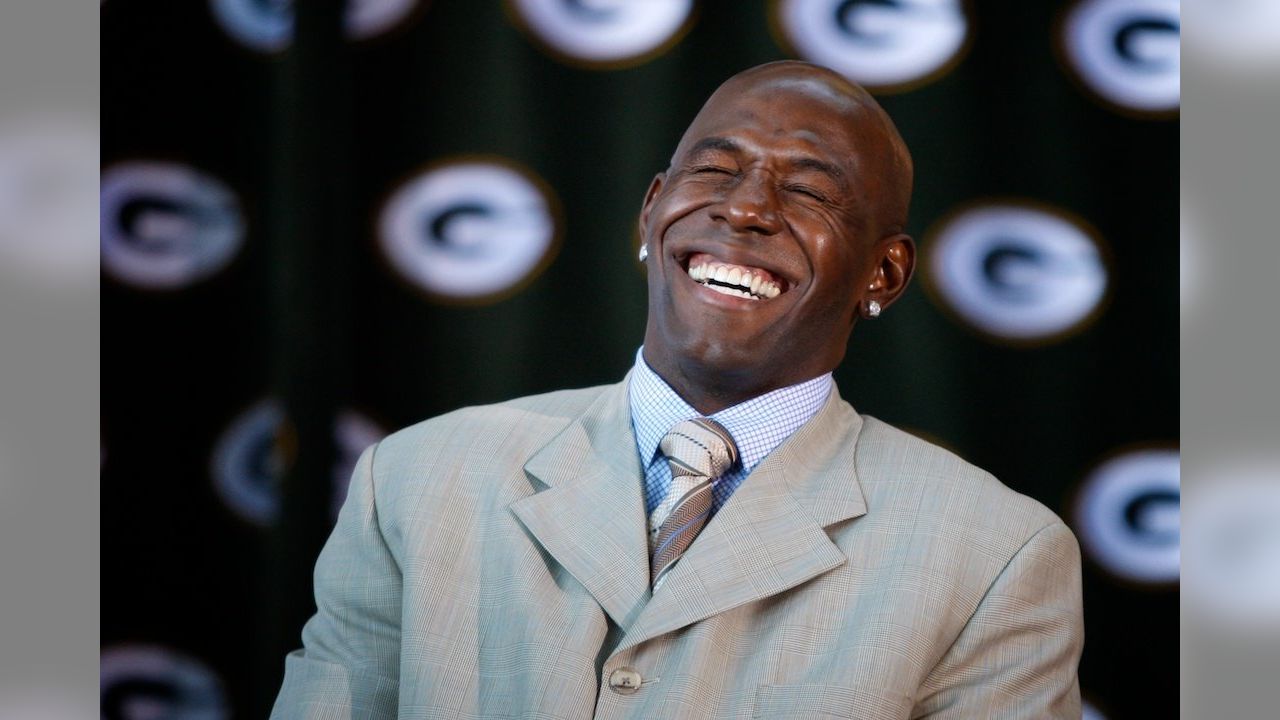
Donald Driver’s deeply emotional outcry about the disturbing joy expressed online in the wake of tragedies has opened a conversation that cannot be ignored. More than just a Packers legend reminiscing about the past, he delivered a sobering reminder of the dangers of losing empathy in the digital age.
For Packers fans, it was a reminder of the man who once embodied endurance and heart at Lambeau Field—now embodying the same qualities in speaking out for compassion. For the wider public, it was an unsettling but necessary wake-up call.
Driver’s words leave us with a haunting question: are we becoming numb to human suffering, or can we rediscover the compassion that defines us? His statement may not offer all the answers, but it forces us to confront the question—and that, perhaps, is where real change begins.
