
NFL EARTHQUAKE: Tucker Kraft screamed out a shocking vow — “If anyone dares to say I was wrong for unleashing my fury and slamming Jimmy Kimmel to his face, I swear I will crush my football career into dust right here on the sacred grounds of Lambeau Field, because I will never accept the honor of the deceased being twisted into a vile, grotesque punchline on TV!” — Packers Nation erupted, and the entire NFL shook at the fiery oath of Green Bay’s rising star…
Tucker Kraft’s words tore through Lambeau Field like a lightning strike — blunt, combustible, and utterly unavoidable. In a moment that redefined the boundaries of athlete outrage, the Packers’ promising tight end abandoned the usual measured PR script and delivered a raw, personal indictment aimed squarely at late-night host Jimmy Kimmel. What began as a player’s rebuke of perceived tasteless comedy instantly morphed into a national conflagration that has fans, media executives, and league officials scrambling for posture and answers.

Kraft — still early in a career that many pegged as destined for stardom — chose his stage well. Lambeau’s history-soaked turf amplified his words; the sight of a Green Bay player vowing to “crush” his career rather than tolerate mockery of the bereaved felt part Shakespearean oath, part cultural emergency. For Packers Nation, the declaration landed with mixed electricity: an army of supporters rallied behind the sentiment that some jokes cross a line, while others winced at the spectacle of a professional athlete openly flirting with self-destruction as moral theater.
The immediate fallout was predictable and massive. Social feeds ignited. Sports talk shows shifted into emergency coverage. Opinion writers parsed whether Kraft’s vow represented authentic, anguished conviction or calculated spectacle in an era where outrage converts to attention. The NFL, which typically aims to keep its players’ off-field controversies contained, suddenly found itself wracked by a debate that bled far beyond playbooks and practice reports.
At its heart, this storm sits at the collision of three combustible forces: the reach of celebrity, the appetite of late-night television for provocation, and the modern fan’s expectation that athletes serve as both entertainers and moral arbiters. Kraft, who has cultivated a reputation as earnest and unafraid, leaned into that hybrid identity and forced the league and its audience into an uncomfortable conversation. When a rising star vows to forfeit everything to defend the dignity of the deceased, the question isn’t only about taste — it’s about what we expect from public figures when grief and humor collide.
Inside the Packers’ locker room, reactions were muted and strategic. Teammates offered careful statements about respecting one another’s pain while emphasizing unity and focus on the field. Green Bay’s front office, meanwhile, faces a delicate calculus: balance support for a player’s personal convictions with the financial and reputational reality of NFL business. Sponsors are watching. Broadcast partners are quietly assessing the optics. Fans are polarizing: some brand Kraft a principled defender of decency; others worry that the drama risks distracting a team midseason.
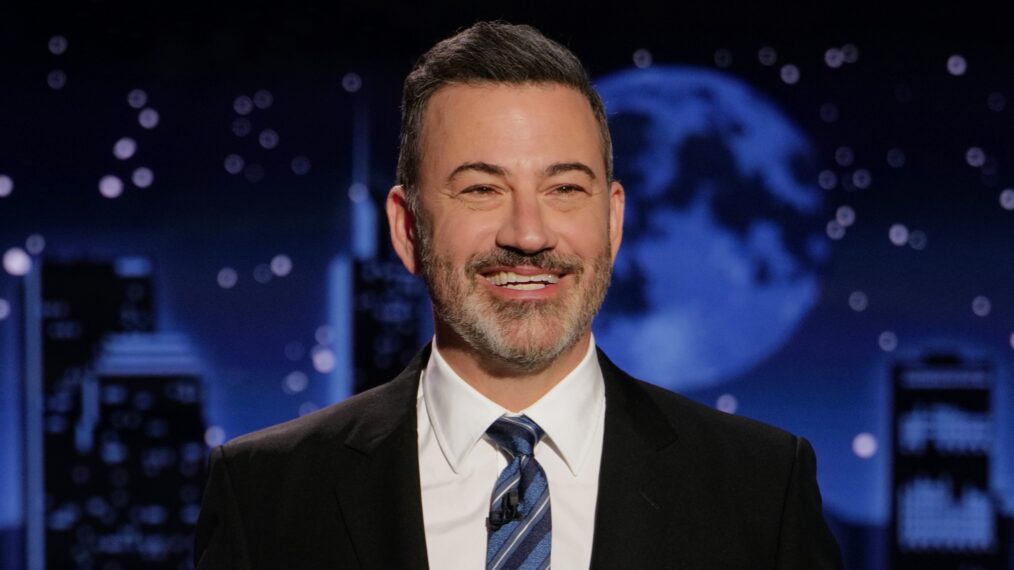
For Jimmy Kimmel and late-night entertainment writ large, the episode is an acid test of comedy’s limits. Comedy has always pushed boundaries, but the line between satire and cruelty can snap quickly when jokes touch on death and mourning. Networks and hosts often gauge pushback with a cost-benefit equation — ratings versus reputational damage — and Kraft’s vow has dramatically shifted that scale by inserting the NFL’s moral authority into the judgment arena. Will Kimmel respond with restraint, clarification, or a defiant counterpunch? Each path risks escalating the standoff.
The league itself now occupies a fraught center. The NFL has long presented its games as neutral ground for national conversation; yet moments like this expose how deeply sports intersect with broader cultural tensions. League leadership must decide whether to issue statements, arrange private mediations, or treat the matter as purely an individual player controversy. Any action — or lack of it — will be dissected as either principled leadership or cowardice in the face of a PR blaze.
Beyond headlines and hot takes, the scenario raises deeper questions about authenticity and performative outrage. Is Kraft’s promise a literal plan of action or a rhetorical device meant to force a cultural reset? Either way, it underscores a modern reality: celebrity pronouncements carry consequences not only for their subjects but for entire institutions that orbit around them. A single line delivered at a storied stadium can shift advertising deals, change media narratives, and alter fan allegiances.
What happens next matters. Will Kraft double down, seeking to press the moral case into public policy on broadcast decency? Will the network issue an apology or offer context? Will the Packers seek to cool flames with private counsel and public reassurances? Every possible response ripples outward: sponsors calculate risk, broadcast partners re-evaluate segments, and fans choose which version of decency they endorse.
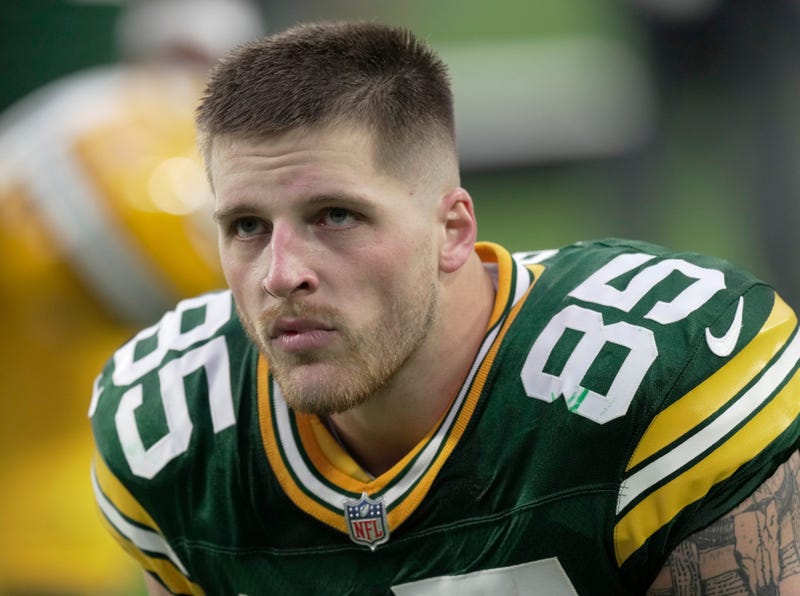
For now, Packers Nation roars — equal parts pride, anger, and apprehension. The NFL stands watchful, aware that a single vow from a rising star can become a fulcrum for national debate. Football Sundays will go on, games will be played, and stats will accumulate, but the cultural tremors from Lambeau’s dramatic scene will not be so easily erased.
In an era where the line between performance and principle is perpetually porous, Tucker Kraft’s declaration is both a rallying cry and a risk. It asks whether we expect athletes to be guardians of public morality — and whether those guardians are willing to sacrifice their own futures in defense of a cause. Whatever one’s view of his rhetoric, the moment has already changed the conversation: in Green Bay and across the NFL, the aftershocks will be felt long after the stadium lights dim.
